The Ultimate Guide to Bridal Mehndi Art Categories: Finding Your Perfect Style
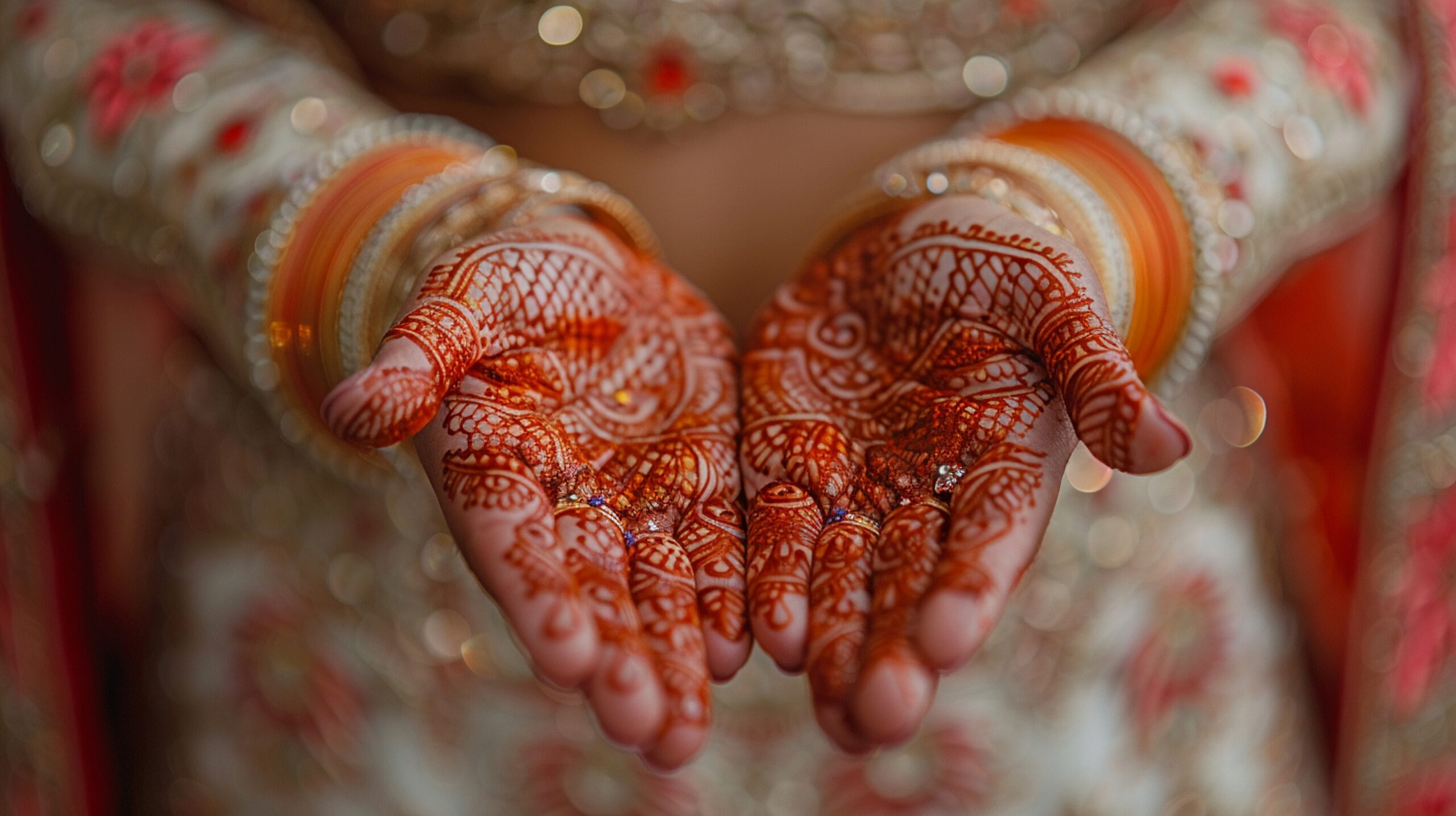
Bridal Henna: From intricate traditional lines to sleek designs of the modern minimalism, enjoy the myriad of bridal henna styles and find the one reflecting your love story. The smell of eucalyptus oil, the sound of dholki beats and laughter, the cooling effect of henna on your palms- the Mehndi ceremony is undoubtedly one of the most colorful and cheerful celebrations in the pre-wedding rites. For the bride, mehndi is not merely temporary body art; it is an essential part of the Solah Shringar (the sixteen traditional bridal adornments) and a sign of good luck, health, and prosperity in a new life. According to tradition, the darker the stain, the deeper the love between the couple! But the times when bridal mehndi meant only one stereotyped look are over. Now the art has developed into a magnificent range of styles from all over the world. As a bride-to-be, which one is your personality, your wedding theme, and your lehenga? We created a perfect guide to the main kinds of bridal mehndi art to help you figure out which style will decorate your hands on your big day. 1. Traditional Indian Mehndi: The Royal Classic If you have ever wished for the typical heavily decorated bridal hands that you see in Bollywood movies, this is your style. Traditional Indian mehndi is identified by its density and intricacy. There is very little “negative space” (bare skin) visible. The designs usually cover the full palms, go up the forearms to the elbows, and cover the feet and shins. Key Features:
- Detailed Motifs: Peacocks (beauty), paisleys (fertility), elephants (royalty), and flowers.
- Raja-Rani (Dulha-Dulhan) Portraits: Detailed sketches of the bride and groom embedded in the palms.
- Wedding Narrative: Illustrations of dhols, shehnais, or the baraat procession interlaced with the design.
Perfect For: The bride who wants a grand, timeless, and deeply traditional look that goes well with heavy bridal jewelry and attire. 2. Arabic Mehndi: Flowing Elegance This style, which hales from the Arabian Peninsula has become very popular all over the world due to its sleek and elegant look. Unlike Indian mehndi, Arabic designs are not the ones that cover the entire hand. They are marked by their diagonal flow. The patterns generally come from the wrist and go diagonally through the palm to the tip of one or two fingers leaving the rest of the hand free. Key Features:
- Negative Space: The usage of the bare skin is the most important thing to make the design “pop.”
- Bold Outlines & Shading: The outer lines of vines and leaves are usually are made more thicker, with delicate shading
- Floral Focus: Big flowers, trailing vines, and leaf patterns are the main elements of this style.
Perfect For: The modern bride who wants something elegant and stylish that isn’t too overwhelming. Also, great if you have a shorter time for applying. 3. Indo-Arabic / Pakistani Mehndi: The Best of Both Worlds Why selecting just one when you can have the best qualities of both? This fusion style is probably the most popular choice for modern South Asian brides. It has the flowing, graceful structure of Arabic mehndi which is filled with the intricate, detailed patterns of Indian traditional art. The outcome is a design that looks full and bridal, yet there is still some breathing room and movement. Key Features:
- Jaali (Meshwork): Highly detailed net-like patterns used as fillers.
- Mandala Focus: Usually the center of the palm features a big, detailed circular mandala surrounded by flowing patterns.
- Balanced Density: It is heavier than the Arabic but lighter than the traditional Indian one.
Perfect For: The bride who wants a stylish, intricate, and detailed look that is both contemporary and culturally rooted. 4. Moroccan / Geometric Mehndi: The Contemporary Edge If you are not into flowers or paisleys, you might want to consider North Africa. Moroccan henna art is quite different from the ones in the East. This style is famous for its geometrical accuracy and unisex attractive. It depends on symmetry, straight lines, and mathematical figures instead of the curved ones. In the past, these designs were mostly used in order to protect from the “evil eye.” Key Features:
- Geometric Shapes: Triangles, diamonds, chevrons, and squares.
- Symmetry: The left hand is usually the exact mirror of the right hand.
- Architectural: The designs resemble tile work or architectural blueprints.
Perfect For: The bohemian, unconventional, or edgy bride looking for a unique statement piece that stands out from the crowd. 5. Minimalist and Jewelry Mehndi: Less is More The trend of minimalism has made a strong impact on the bridal world. Not every bride is willing to sit for six hours while getting her henna done! Minimalist mehndi is more about placement and impact than coverage. The “jewelry style” is a very trendy one in which henna is used to resemble rings, hand harnesses (hathphool), and bracelets. Key Features:
- Strategic Placement: Tiny designs only on the fingers, or a simple wrist band.
- Clean Lines: Mostly uses thin lines and dots.
- Modern Aesthetics: Very chic and great for taking pictures in modern locations.
Perfect For: Intimate weddings, western-style white weddings, or the practical bride who wants to be able to use her hands freely soon after application! How to Choose Your Style Deciding can be tough with so many beautiful options. Consider these factors: Your Bridal Outfit: If your lehenga is heavily embroidered, a denser Traditional Indian style might complement it best. If your outfit is lighter or modern, an Arabic or Minimalist design might provide better balance. Your Patience Level: The application of a traditional bridal mehndi can take from 4 to 8 hours. If you are impatient, then you should choose Arabic or Geometric styles because they are quicker to finish. The “Hidden Name” Game: If you want your partner’s name to be concealed in the design (a fun tradition where they have to find it on the wedding night), Traditional or Indo-Arabic styles offer the best hiding spots! Your hands will serve as the canvas for your wedding story. Whichever you go for, the royal density of Indian art or the stylish lines of Moroccan geometry, make sure you engage a skilled professional who specializes in the style you love.